
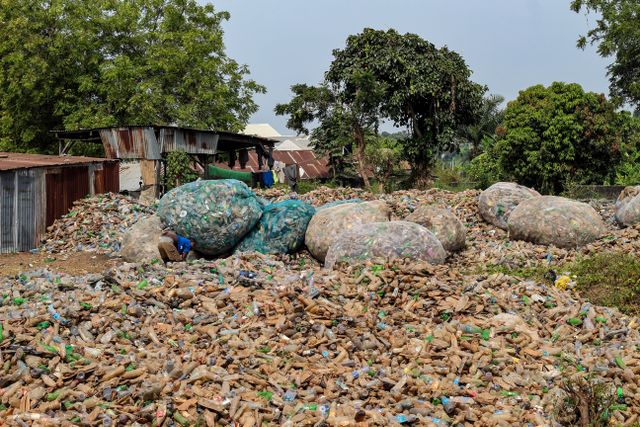
Agricultural waste is increasingly being transformed into valuable industrial inputs, powering sectors like bioenergy, construction, textiles, and pharmaceuticals. By converting residues such as husks, stalks, shells, and peels into usable products, industries reduce environmental pollution while creating sustainable economic opportunities.
🌱 Key Industrial Uses of Agro Waste
1. Bioenergy and Biofuels Biogas production: Crop residues, manure, and husks are digested to produce methane-rich biogas for electricity and cooking fuel. Bioethanol & biodiesel: Sugarcane bagasse, corn stover, and oilseed residues are processed into renewable liquid fuels. Pellets & briquettes: Compressed agro waste serves as solid biofuel for industrial boilers.
2. Construction Materials Particle boards & panels: Rice husk, wheat straw, and coconut coir are used to make eco-friendly boards. Cement additives: Ash from burnt agro waste improves concrete strength. Biodegradable composites: Fibers from jute, hemp, and banana plants reinforce plastics for sustainable packaging.
3. Paper & Packaging Pulp production: Sugarcane bagasse and wheat straw are processed into paper pulp. Biodegradable packaging: Corn husks and banana leaves are molded into eco-friendly food containers.
4. Textiles & Fibers Natural fibers: Jute, hemp, and coir are spun into ropes, mats, and fabrics. Nano-cellulose: Extracted from agro residues, used in advanced textiles and biomedical applications.
5. Chemicals & Pharmaceuticals Bio-based chemicals: Lignin and cellulose from waste are converted into bioplastics and solvents. Medicinal extracts: Fruit peels and seed shells provide antioxidants and bioactive compounds for nutraceuticals.
6. Animal Feed & Fertilizers Feed supplements: Oilseed cakes and crop residues are processed into livestock feed. Organic fertilizers: Composting agro waste enriches soil fertility and reduces reliance on synthetic fertilizers.
 Enquiries? Chat Here!!
